Wildlife Education & Resources
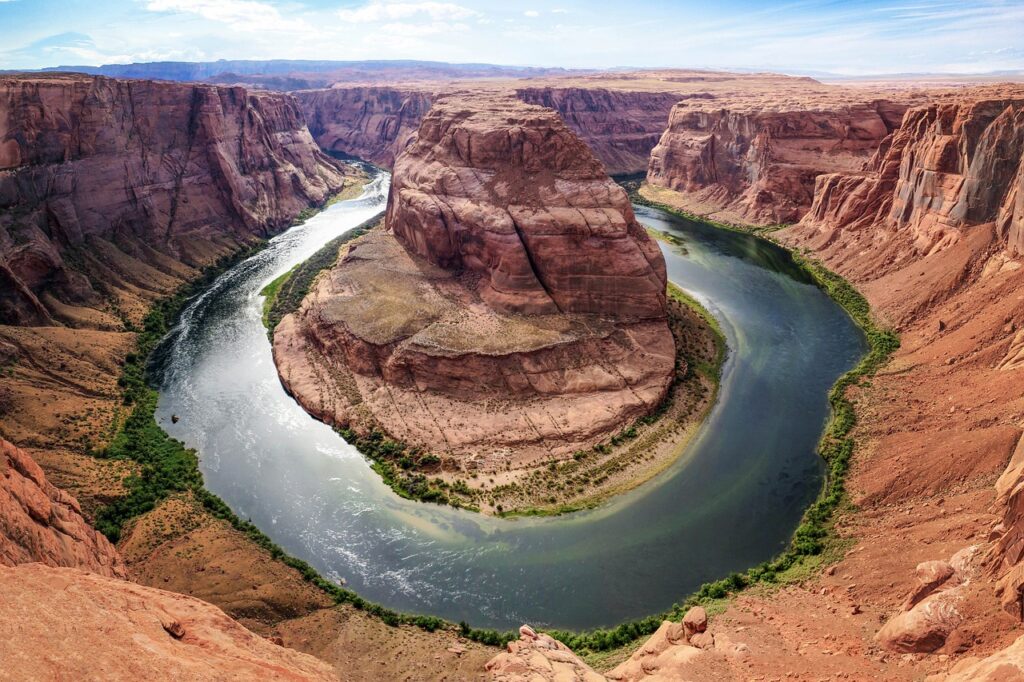
Learn how to coexist safely with native wildlife and protect Arizona’s desert ecosystems through education and awareness.
Wildlife Safety Tips
If you encounter injured or orphaned wildlife, keep your distance and observe the animal from a safe location. If the animal appears injured, bleeding, or unable to move, contact a licensed wildlife rescue organization immediately. Make note of the animal’s location and condition, and keep people and pets away to reduce stress.
You should contact wildlife professionals if an animal is visibly injured, caught in debris, orphaned, or in immediate danger. Licensed rehabilitators have the training, equipment, and legal authority to provide proper care. Prompt professional intervention increases the animal’s chances of recovery and safe release.
Do not attempt to feed, move, or treat injured wildlife on your own. Handling wild animals can cause further injury, stress, or risk of disease transmission. It is also illegal in many areas to keep wildlife without proper permits, so always rely on trained professionals.
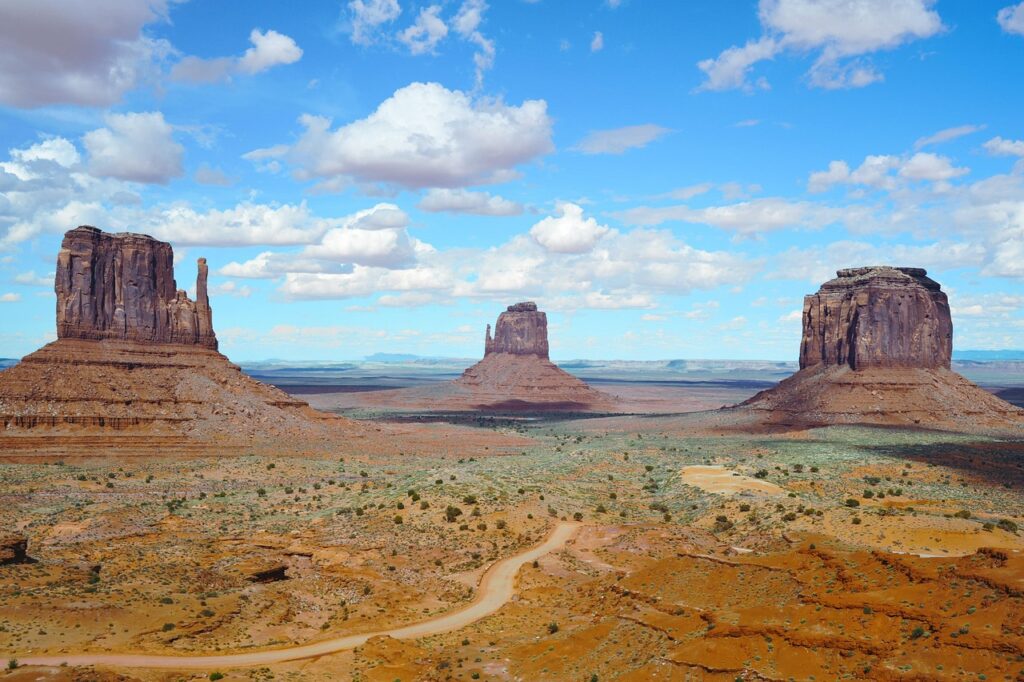
Wildlife often come into contact with human environments, increasing the risk of injury and displacement. Learning how to respond safely and responsibly helps protect both people and animals while ensuring wildlife receive the professional care they need.
Post Type: “Page”
- Corsac Fox
 A rescued corsac fox arrived injured and dehydrated but made a full recovery through expert care and rehabilitation before returning safely to the wild.
 - Why Native Wildlife Conservation Matters
 Arizona’s desert ecosystems support a wide range of native species, all of which play a vital role in maintaining ecological balance. Habitat loss, vehicle collisions, and climate change continue to threaten wildlife populations. By supporting wildlife rescue organizations and practicing coexistence, communities can help protect native species. Conservation efforts ensure healthy ecosystems for future generations.… Read more: Why Native Wildlife Conservation Matters
 - Behind the Scenes: A Day in Wildlife RehabilitationEvery day at Southwest Desert Wildlife Rescue begins with animal health checks, feeding schedules, and habitat maintenance. Our team works closely with veterinarians to ensure each animal’s recovery plan is progressing. Volunteers assist with cleaning enclosures, preparing specialized diets, and monitoring behavior. Each task supports the ultimate goal of returning animals to the wild safely… Read more: Behind the Scenes: A Day in Wildlife Rehabilitation
- How to Help Injured Wildlife Safely
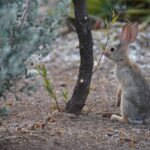 Encountering injured wildlife can be stressful, but knowing how to respond safely is essential for both people and animals. In many cases, well-meaning actions can unintentionally cause harm. If you find an injured animal, keep your distance, avoid handling it, and contact a licensed wildlife rescue immediately. Placing animals in boxes, feeding them, or attempting… Read more: How to Help Injured Wildlife Safely
 - Saving a Red-Tailed Hawk Injured in a Roadside Collision
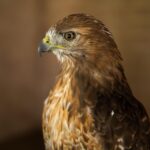 A red-tailed hawk was admitted after suffering wing injuries caused by a roadside collision. Initial examinations revealed bruising and limited mobility, making flight impossible. With careful treatment, physical therapy, and flight conditioning, the hawk slowly regained strength. After several weeks of rehabilitation, the bird successfully completed flight tests and was released back into the wild.… Read more: Saving a Red-Tailed Hawk Injured in a Roadside Collision
| M | T | W | T | F | S | S |
|---|---|---|---|---|---|---|
| 1 | 2 | 3 | 4 | |||
| 5 | 6 | 7 | 8 | 9 | 10 | 11 |
| 12 | 13 | 14 | 15 | 16 | 17 | 18 |
| 19 | 20 | 21 | 22 | 23 | 24 | 25 |
| 26 | 27 | 28 | 29 | 30 | 31 | |
This site is authored and maintained by Melina D. Favors It is not an official website of the Maricopa County Community College District, and Maricopa is not responsible for the content of this site. Pictures are from pixbay.com
Proudly powered by WordPress